
Blog
Global Climate and Health Summit – London: Leadership, Governance, and Financing Africa’s Climate–Health Response, Now
Read article
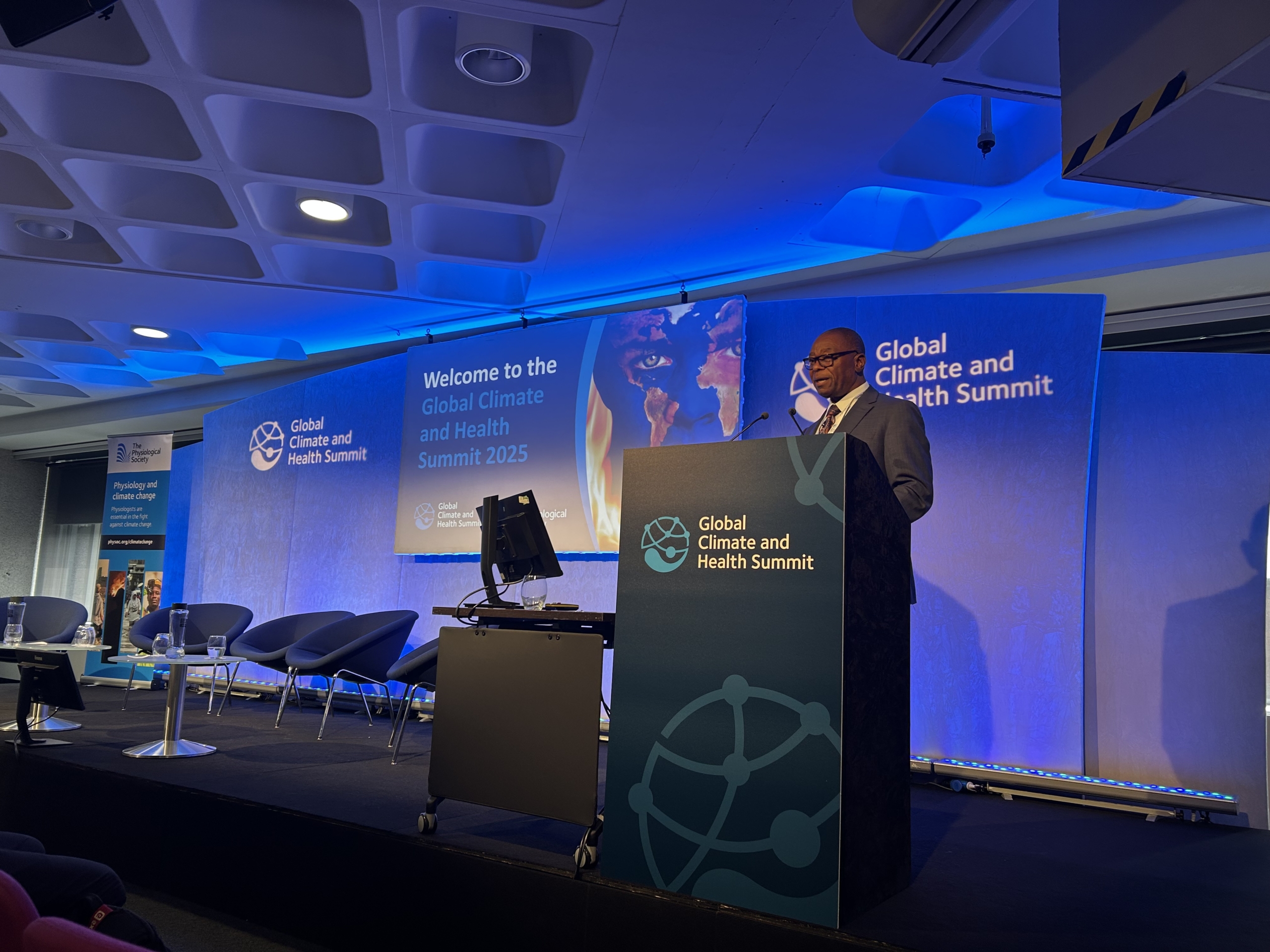

CHAC 2024 wasn’t just about raising awareness with no practical steps in sight. The conference aimed to bridge the gap between research and action by integrating research findings with practical solutions. It provided a platform for collaboration between scientists, policymakers, and program implementers.
The conference was structured around five key tracks, each focusing on different aspects of the climate-health challenge:
Reserachers with the Heat Adaptation for Pregnant Women and Infants (HAPI) project, presented their work across multiple tracks and formats:
Nyaradzo Gonese’s poster presentation explored the ethical dilemma that pregnant women in the rural Zimbabwean setup face due to the extreme heat and food insecurity. The ever-rising temperatures force them to choose between working in intense heat so that they can have the food (which they really need) and protecting themselves from the heat (which ultimately affects their health.) This “double burden” shows that there is a serious need for interventions that will address both, the immediate survival needs and long-term well-being.
The CHAC 2024 also provided valuable insights on how power structures, social support systems, and traditional knowledge can a strongly influence heat exposure decisions. The conference also provided a platform for researchers to network with fellow researchers opening doors for collaboration and showing the need to move beyond documentation to developing practical solutions.
The HAPI project and CHAC 2024 represent a critical step forward in tackling climate change’s health impacts in Africa. It showed that researchers and practitioners can work together to build a healthier future for all by strengthening knowledge sharing, collaboration, and ethical considerations.
The HAPI project is one of 9 Wellcome-funded research projects focused on ‘Heat adaptation: evaluating interventions to help manage health effects of heat’ in various low- or middle-income countries (LMICs) from 2024 to 2030 and part of the HeatNexus network which is supported by the Institute of Development Studies.