
Blog
Bridging Science and Policy: Insights from the Pan African Conference on Environment, Climate Change and Health
Read article
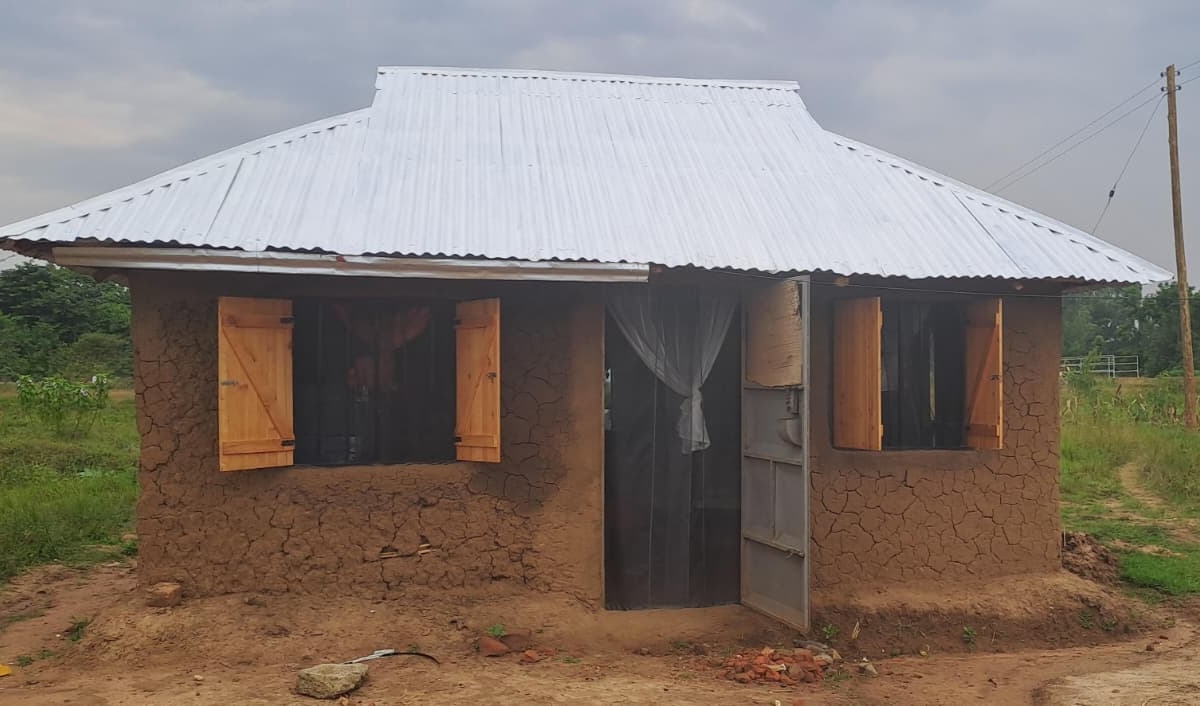
The HeatNexus network project “Housing Optimization for Malaria and Environmental Sustainability”, HOMES for short, saw significant progress in 2025 as researchers, communities, and technical experts came together to explore climate‑resilient, malaria‑reducing housing. With baseline data collection complete across their two research sites in Kwale and Siaya counties, and community‑driven designs finalised, house modifications are now complete and the project is beginning to evaluate resulting changes to health, comfort, and wellbeing for rural households.
The project began with an extensive round of baseline data collection designed to understand life inside rural homes before any improvements were made. Teams gathered information on indoor temperatures and humidity, heart rate variability, daily activity, sleep quality, mosquito densities, malaria prevalence, healthcare‑seeking behaviour, and household knowledge and attitudes. This work combined social research through surveys, focus group discussions, and key informant interviews, with biological and environmental monitoring. Malaria cross‑sectional surveys, CDC light‑trap mosquito catches, and human landing catches provided detailed entomological insight. Meanwhile, Garmin wearables and indoor data loggers tracked heat‑related stress and sleep patterns. An economic survey rounded off the baseline by exploring the financial implications of making home improvements on households.
A key aspect of the Homes project approach is its participatory design process. Two rounds of co‑creation workshops were held in each study site—one with homeowners and artisans, and a second with technical experts from national, regional, and county institutions.
Homeowners and artisans first built low‑fidelity prototypes of typical houses found in Kwale and Siaya. These models became the starting point for imagining improved homes that could stay cooler, reduce mosquito entry, and remain safe and durable. Community input highlighted priorities such as maintaining safe rainwater harvesting systems, termite‑resistant structures, durability, and affordability.
Architects, engineers, county officials, vocational trainers, and public health professionals—including representatives from the National Construction Authority, Architectural Association of Kenya, county public works departments, and the National Malaria Control Programme—then reviewed the community prototypes. Their feedback helped finalise a modification package tailored to local needs and technical standards.

The agreed‑upon modification package focuses on improving both thermal comfort and mosquito control.
Once the designs were finalised, project specialists translated them into architectural drawings and a standardized modification manual. After review by vocational trainers, local artisans received structured training and carried out modifications under supervision from a structural engineer and site foremen to ensure technical accuracy and quality.
Teams also conducted inspections and corrections, hosted community meetings to explain eligibility and timelines.
With house modifications completed (by September 2025) in intervention villages, data collection has now shifted into the evaluation stage. Researchers are tracking the same indicators measured during baseline to assess:
The intervention package will be evaluated for 2 years. At the end of that period the control houses will also be modified to ensure all participants benefit from the intervention.

Stakeholders who participated in the co‑creation process, including architects, public health officials, and county representatives, have been invited back to both sites to view the completed modifications. Their visits provide an opportunity for feedback, and support discussions on policy uptake and scale-up of climate-resilient, malaria-reducing housing solutions.