HABVIA: Heat Solutions for Vulnerable Groups



Partners







Overview
Can Heat Adaptation Improve the Lives of Vulnerable Groups in Sub-Saharan Africa?
Key Facts
The Health-Climate Link
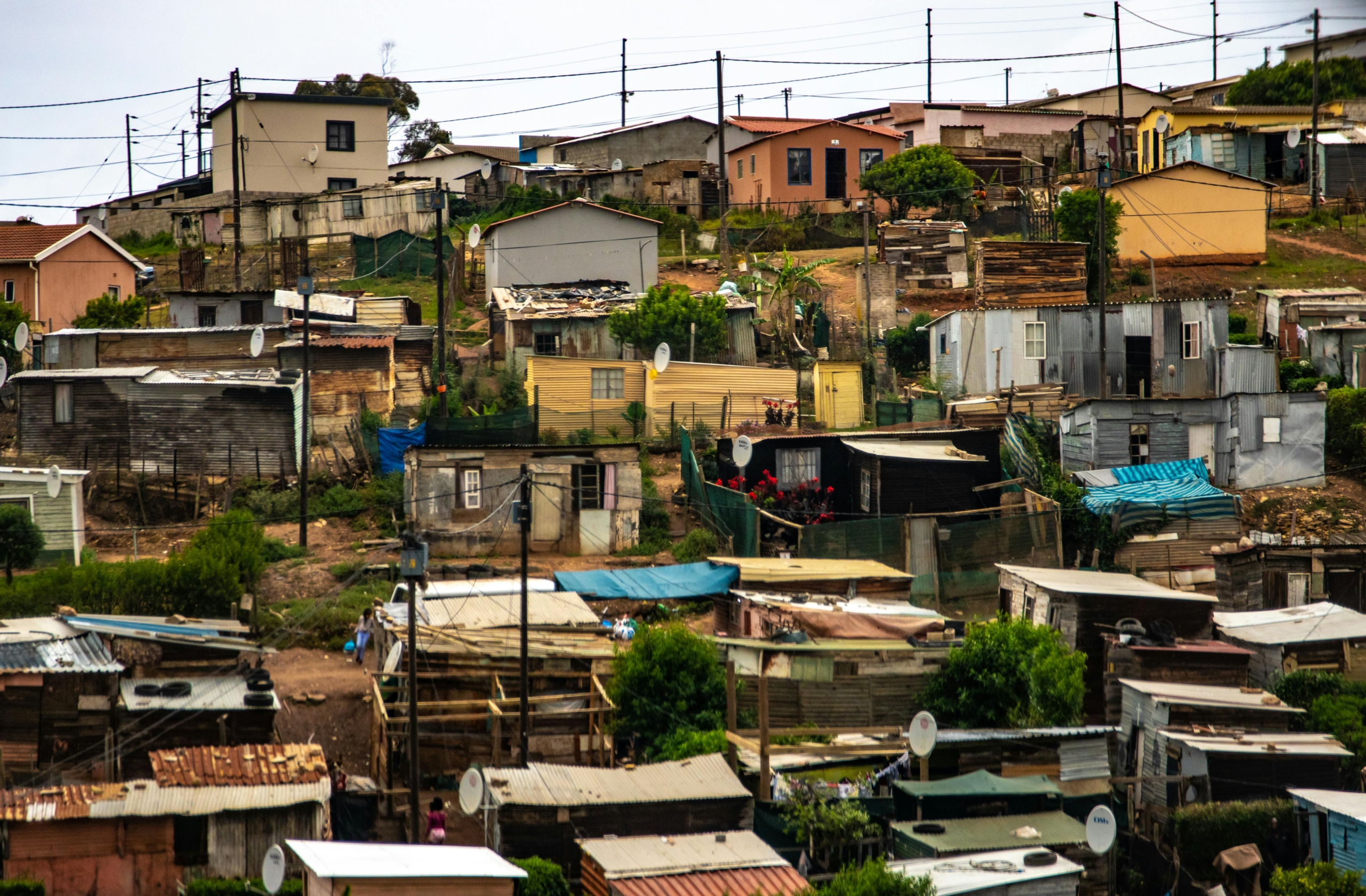
Africa faces disproportionately high vulnerability to heat-related health risks due to rising temperatures, widespread informal housing, and high rates of outdoor labor. Despite this, robust evaluations of heat adaptation outcomes—spanning environmental, health, and socio-economic dimensions—are limited in real-world African contexts. Vulnerable populations, such as informal housing dwellers and manual laborers, experience compounded risks from inadequate infrastructure and socio-economic challenges.
The HABVIA Project Advantage
The HABVIA project bridges critical evidence gaps by gathering high-quality cohort data on physiological and mental health outcomes alongside climate and socio-economic factors in four heat-vulnerable sites across Ghana and South Africa. By leveraging existing community-health partnerships, HABVIA evaluates physical and behavioral adaptations and develops heat-warning systems to protect vulnerable groups.
Key Interventions Include:
- Testing physical and behavioral adaptations for informal dwellers and outdoor laborers.
- Developing and testing community-relevant heat-warning systems to improve preparedness.
- Capacity-building initiatives to train African health-climate researchers and strengthen local expertise.
Aims and Objectives
HABVIA aims to advance Africa’s capacity to address extreme heat by evaluating real-world adaptations, building local research expertise, and informing policy with evidence-based recommendations.
Objectives of this study:
- Collect and analyze cohort data on physiological, mental health, and socio-economic outcomes in four study sites.
- Evaluate physical (e.g., cooling technologies) and behavioral adaptations to reduce heat stress for informal dwellers and manual laborers.
- Develop and pilot community-relevant heat-warning systems tailored to local contexts.
- Build African research capacity through PhD programs, postdoctoral training, and climate-health education initiatives.
- Engage actively with African and global climate-health networks to expand the impact of project findings.
Study design and methods
Study Design
Overview
HABVIA addresses the critical lack of real-world evaluations of heat adaptation strategies in Africa by implementing interventions tailored to informal dwellers and outdoor laborers in Ghana and South Africa. The project collects comprehensive data on physiological, mental health, environmental, and socio-economic factors, creating a robust evidence base to inform scalable heat adaptation strategies.
Interventions
- Physical Adaptations:
Testing low-cost cooling solutions to improve thermal comfort in informal housing and outdoor labor settings. - Behavioral Interventions:
Promoting hydration practices, rest breaks, and heat awareness among manual laborers and community members. - Heat Warning Systems:
- Developing and piloting locally relevant, community-driven heat-warning systems.
Activities
Qualitative Study
Conducting focus groups and participatory workshops to co-develop culturally relevant heat adaptation solutions with community members.
Cohort Study Analysis
Collecting physiological, mental health, and socio-economic data from participants to assess the effectiveness of interventions across the four study sites.
Capacity Building and Training
Developing policy briefs and engaging with African and global climate-health networks to disseminate findings and influence policy.
Policy Integration and Knowledge Sharing
Evaluating interventions in two distinct settings:
- Karachi: Addressing challenges in densely populated urban areas.
- District Matiari: Targeting agricultural households with limited access to cooling infrastructure.
Methods
Tracked Outcomes
- Health: Monitoring core body temperature, hydration levels, and mental well-being in target populations.
- Environmental: Measuring indoor and outdoor temperatures, humidity, and air quality at intervention sites.
- Socio-Economic: Evaluating changes in productivity, healthcare costs, and quality of life indicators.
Novel Methodology
Leveraging interdisciplinary methods to combine cohort studies, qualitative research, and real-world implementation trials. The project integrates technological tools such as wearable sensors and climate monitoring devices to collect high-quality data and improve intervention accuracy.